
Dear Reader,
This week at PPI has been a reminder of how much powerful work grows out of thoughtful communities. After months of collaboration, we’re excited to finally share Sinceriti—a platform built to honour authentic commitment in a landscape increasingly shaped by AI-generated applications. It’s an idea close to our heart, and one we hope you’ll explore with us.
Yash returned to the Indian School of Public Policy for his annual session with scholars, reflecting on what it means to build a meaningful policymaking journey in India today and the values that sustain it.
The pieces in this edition echo that same spirit: young leadership redefining consent education, women powering the unseen labour behind global AI systems, evidence on India’s climate–health risks, and opportunities shaping the future of policy learning. Different stories, but connected by the people driving them.
As always, you’ll find the updated jobs and opportunities database at the end.
Let’s get into Policy Post #214
Policy Charcha 💬
The best of Podcasts, Videos, Essays, Fellowships and other Career resources from the world of Policy and Governance from the week gone by!
💡 Essay Highlight:
Human Touch — FiftyTwo
This longform narrative traces the invisible labour powering global AI systems. Women in rural and semi-urban India spend hours annotating data that trains advanced machine-learning models.
What appears to be “back-end work” becomes a story of autonomy, income, dignity, and the real human backbone of the digital economy.
👥 Community highlight
Yash at the Indian School of Public Policy (ISPP)
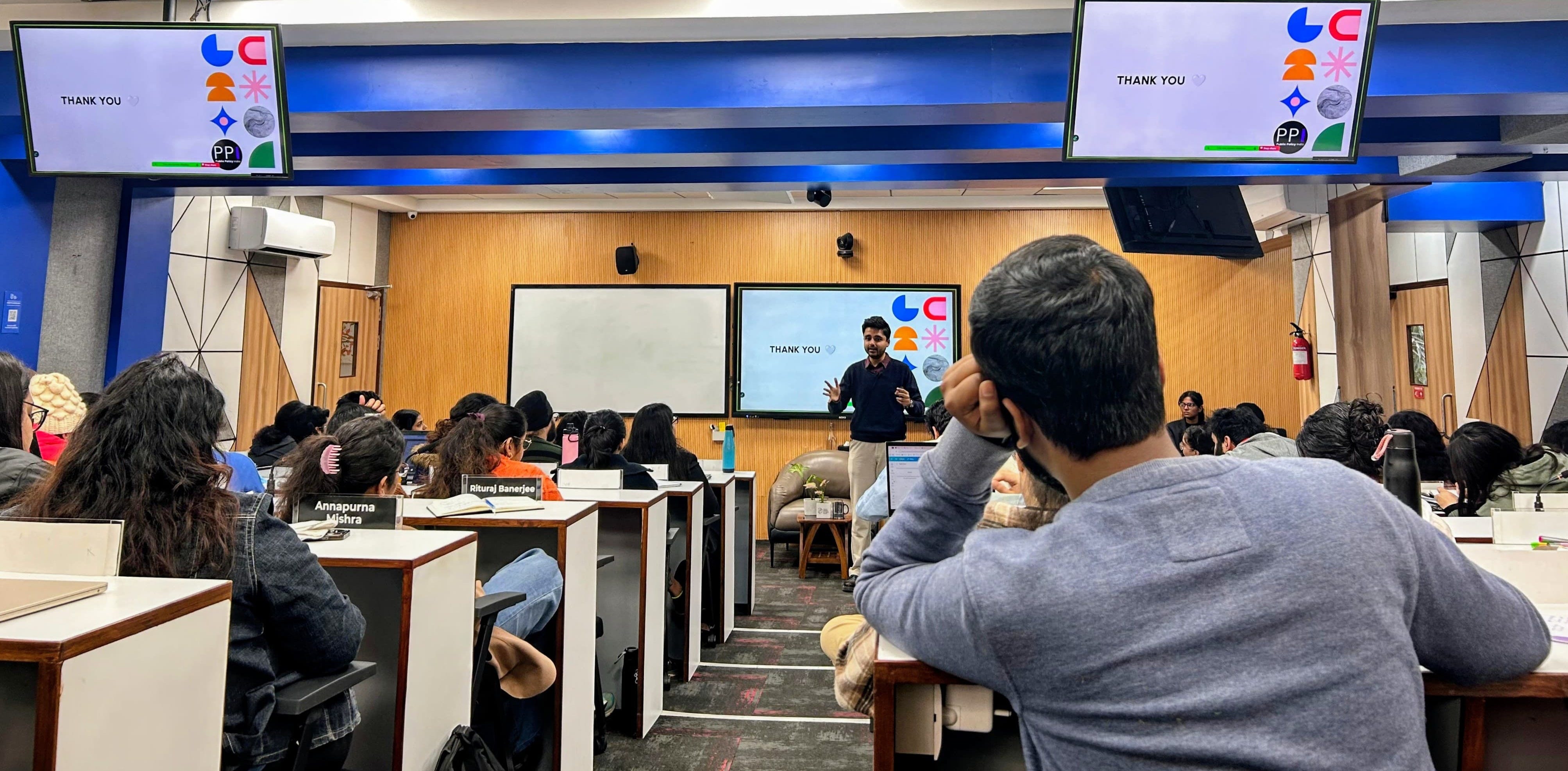
Yash joined scholars at the Indian School of Public Policy for his annual session on policymaking trajectories and the realities of careers in public life. A candid discussion on values, sector expectations, and finding direction in the policy landscape.
📲 Highlight of the Week
Sinceriti: Special Giveaway for the PPI Community
PPI is excited to partner with Sinceriti, a platform that allows candidates to stand out with their genuine dedication and commitment in a sea of gen-AI crafted applications that currently inundate social impact recruiters. Sinceriti is the first currency of authentic human intent, giving you a fixed number of 100 annual points across 2 categories (completely free) to allocate to things you truly care about.

Know someone who embodies genuine dedication to impact? We’re inviting PPI members to nominate the “most sincere person” they know (or ask a friend to nominate you!) and share why this person’s commitment stands out.
10 selected nominees will receive: A complimentary copy of The New Alchemists on Kindle
This is our way of honoring the people who’ve been quietly, consistently showing up for causes they believe in.
🔗 Submit your nomination: https://forms.gle/sH76Emot9Ei4q8DU6
✉️ contact@sinceriti.co
Your authenticity is your superpower. It’s time the hiring process recognized that.
📷 Video Highlight
Building a Development Sector Communications agency in 2025: What, how and why
In this Episode of the #PolicyPanchayat, Yash Agarwal from PPI speaks to Ms. Dhriti Jain, a Development Communications Professional and Founder of Arth Communications. Ms. Dhriti speaks about the development sector, her journey as a communications professional and the impact of AI on the sector.
🔎 Databases and Guides:
Discover your ultimate career resource sheets for everything related to public policy! Our comprehensive mega-lists include 150+ hiring organisations, 200+ scholarships, and 150+ courses, podcasts and a lot more. Dive in and unlock your next big opportunity!
✨ Spotlight of the Week
Our newest initiative at Public Policy India!
Each week, we’ll bring forward stories of people and organisations shaping India’s public policy and social impact landscape in their own unique ways. There’s thoughtful work happening across the country, and this series is simply a space to recognise it and learn from it together.
At 17, Niyati Sharma founded Pratisandhi to challenge India’s silence around sexuality education. Today, the youth-led nonprofit has reached 75,000+ young people directly and impacted over 150,000 through teachers and parents.
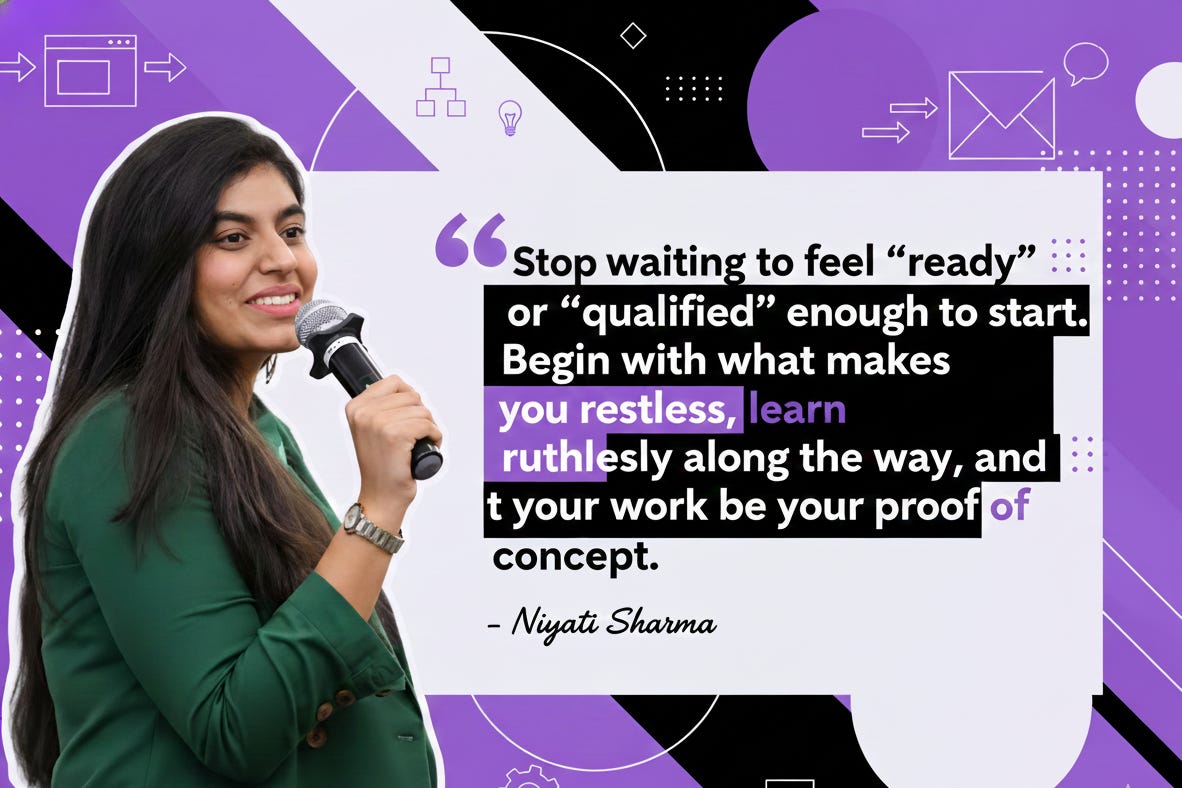
From the Consent Project in Kolkata to an 8,000+ signature petition backed by MPs, her work is reshaping how consent and safety are taught in India. Now a law student at Oxford, she continues pushing for systemic reforms in safeguarding and school-based consent education.
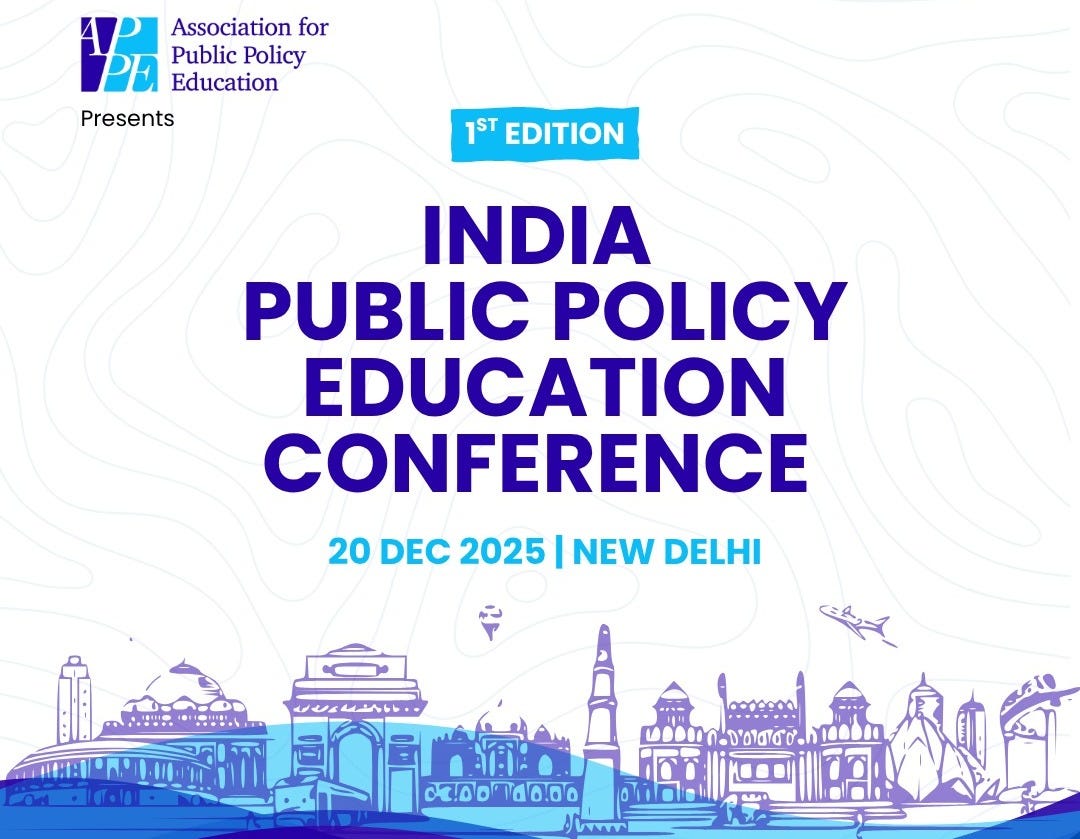
📣 Opportunity: India Public Policy Education Conference (IPPEC 2025)
The Association for Public Policy Education (APPE) is hosting the India Public Policy Education Conference (IPPEC) bringing together educators, university leaders, policymakers, government representatives, and corporate policy professionals to discuss the future of public policy pedagogy. It seeks to align policy education with India’s governance needs and emerging market realities.
Date: Saturday, 20 December
Time: 9:00 AM – 5:30 PM
Venue: Dr. Ambedkar International Centre (DAIC), New Delhi
PPI is the Official Outreach Partner for the Conference and the first 15 people from the PPI Community to register will get a 30% Discount. Please write ‘Public Policy India’ as a response to Q1 to avail the discount.
🌟 Avenues for Upskilling
Public Policy Puzzle
Public Policy Puzzle (PPP) is a platform on a mission to make public policy accessible, engaging, and useful for students, young professionals, and curious citizens. Through courses, resources, and interactive formats.
🌍Climate + Health Corner
In Partnership With Swasti, The Health Catalyst
India’s Rising Climate–Health Risks
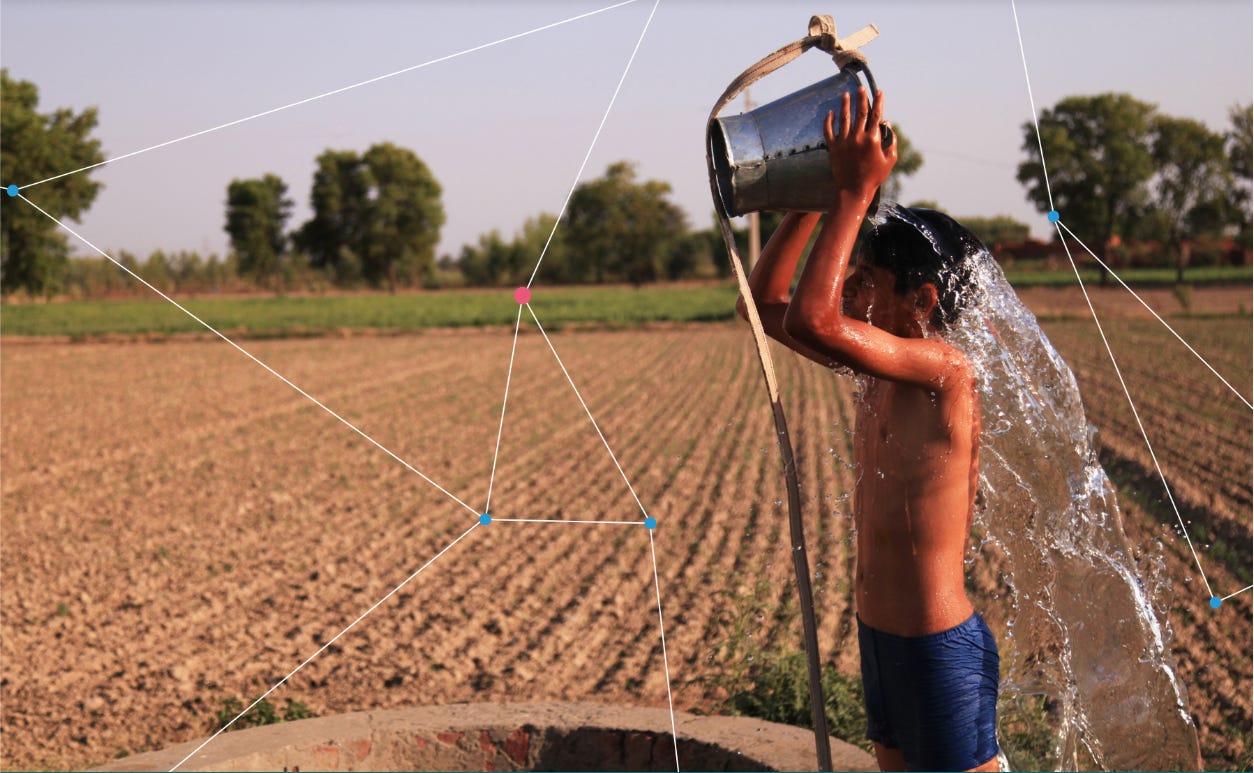
The Lancet Countdown 2024: India Data Sheet highlights a steep rise in climate-related health pressures. In 2023, people were exposed to 2,400 hours of heat-stress risk—nearly 100 unsafe days outdoors. Heat exposure led to 181 billion lost labour hours and US$141 billion in potential income losses, with agriculture hit the hardest. At the same time, 42.7% of India’s land experienced at least one month of severe drought, and dengue transmission potential has climbed 85% since the 1950s. These trends make clear the need for health-focused climate action and stronger protections for vulnerable communities.
Careers Corner 💼
A curated list of some of the best jobs and internship opportunities this week from the world of public policy, the development sector, impact consulting and communications at large.
📩 Best bit - if you know of a job/internship opening that’s not listed here, kindly just add that as a comment on the sheet: giving 20,000+ people immediate access to it!

You won’t believe it, but it’s cheaper than a cup of coffee to support our work ☕
We're a community-driven platform dedicated to delivering fresh policy insights, creating career opportunities, and helping thousands thrive in India's policy space. To keep all our work free and accessible, we need your support. A small contribution of just Rs. 80 can help sustain and grow our mission. Please consider buying us a coffee and powering our work. Thank you!