
Dear Reader,
Across cities and sectors, policy conversations are increasingly being shaped by lived experiences, how people engage with systems, access opportunities, and navigate constraints in real time.
This week’s edition reflects that ground-up perspective. From Policy Circles in Bhopal and Chandigarh and upcoming ones in Kochi and Bhubaneswar to research on digital financial inclusion among women street vendors in Pune, the focus is on how policy plays out in everyday contexts.
We also spotlight Aditi Chugh, a practitioner whose work sits at the intersection of food systems, research, and policy implementation, alongside a piece on Bhutan’s climate burden raising broader questions around responsibility, capacity, and regional coordination.
As always, we wrap up with a curated list of opportunities.
Let’s get into it!
Policy Charcha 💬
The best of Podcasts, Videos, Essays, Fellowships and other Career resources from the world of Policy and Governance from the week gone by!
🏙️ PPI Policy Circle: Bhopal and Chandigarh
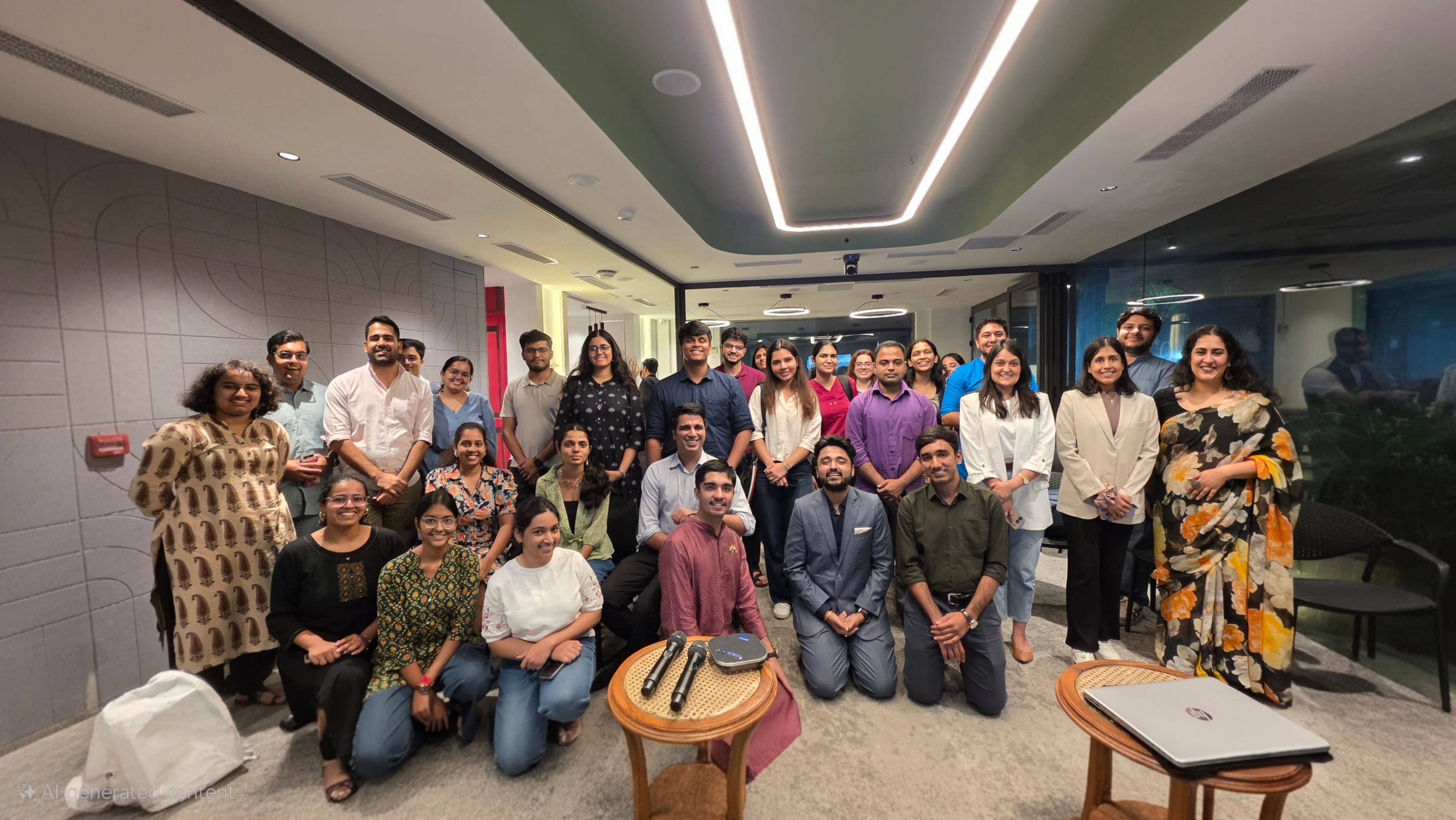
Last week, Policy Circles were hosted in Bhopal (24th April) and Chandigarh (25th April), bringing together individuals exploring careers in public policy for an evening of conversations, peer exchange, and shared learning.
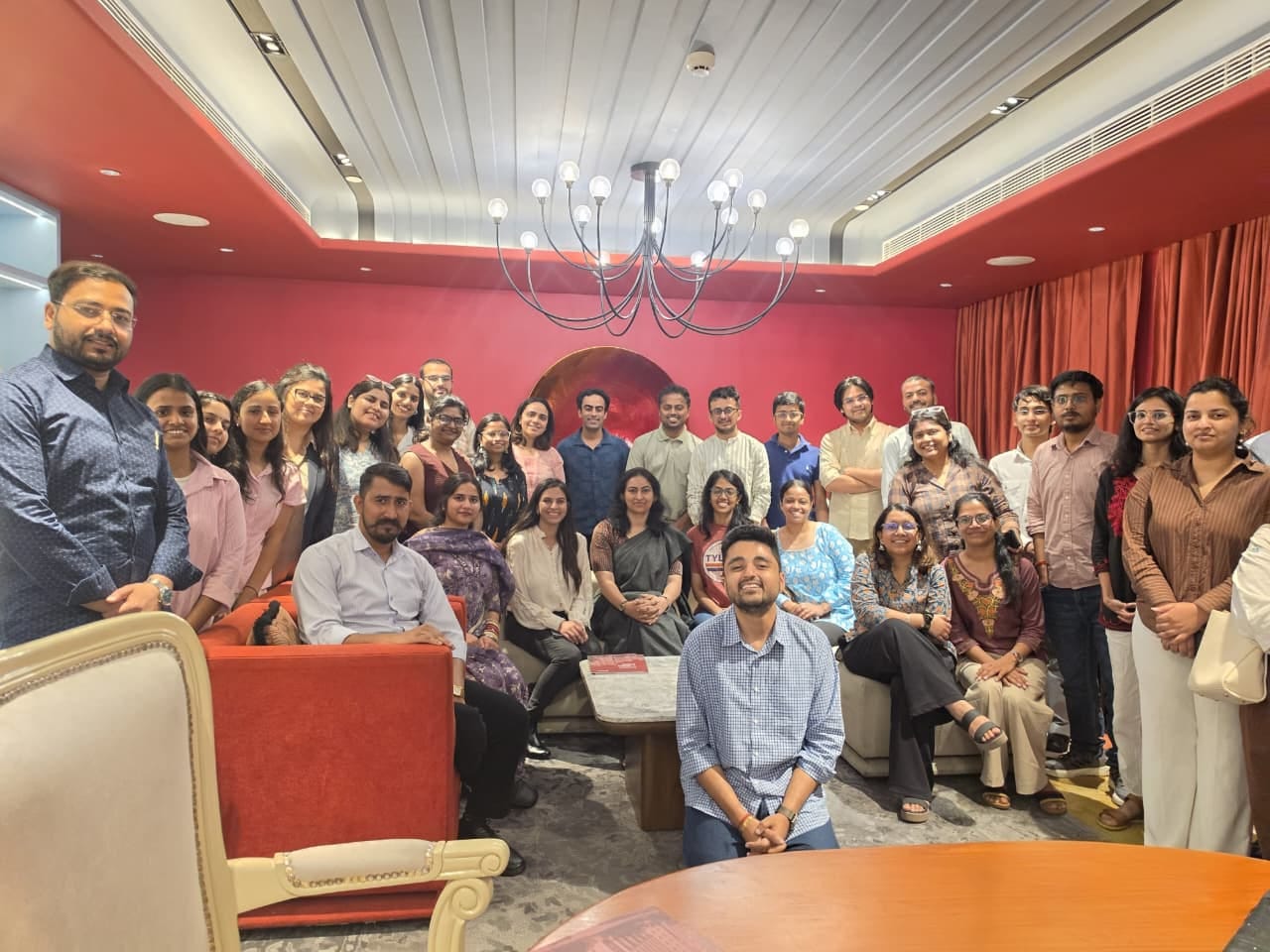
Designed as an in-person policy workshop, these circles focused on building community, creating room for participants to engage with each other, reflect on their journeys, and navigate questions around policy careers in a grounded way.
The conversations continue this week, with Policy Circles coming to Kochi (1st May) and Bhubaneswar (2nd May).
We’re bringing Policy Circles to more cities, with more conversations ahead!
📍 Keep an eye on your chapter’s WhatsApp group for all updates
Not in a chapter yet? Find and join your city chapter here →
🎓 Thinking About Structured Learning in Policy?
Policy Circles are a great starting point — but if you’re ready to go deeper, the Master’s Programme in Public Policy (MPP) at the Kautilya School of Public Policy is currently accepting applications.
This two-year residential programme focuses on understanding how policies are designed, implemented, and shaped by political and institutional realities.
KSPP offers scholarships for eligible candidates, and applicants applying through PPI may be considered for fee waivers depending on the school’s evaluation, including academics, interview performance, and financial background.
📌 If you apply via PPI, be sure to mention us as your reference to be considered for the waiver.
Spotlight of the Week
Bridging research and real-world impact is often at the heart of effective policymaking. In this week’s Spotlight of the Week, we feature Aditi Chugh, an agriculture policy practitioner and researcher at the International Food Policy Research Institute.
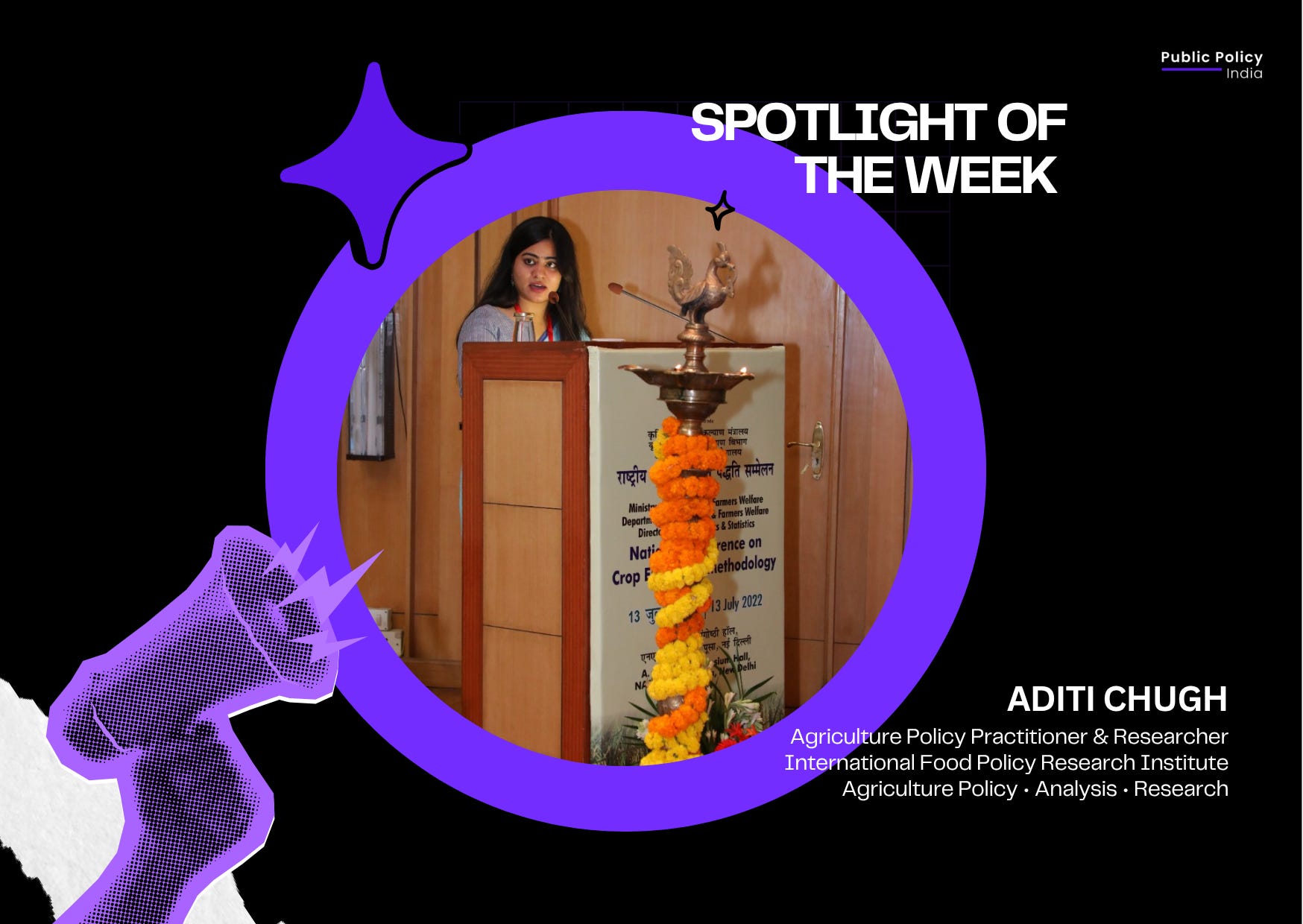
Her work focuses on the practical implementation of food policies across global contexts, with particular attention to input subsidies, food fortification, and agricultural commercialization. Having previously worked with the Ministry of Agriculture & Farmers Welfare on MSP systems and data frameworks, she brings a unique perspective that connects policy design with on-ground realities.
Her journey reflects the value of interdisciplinary thinking combining economics, politics, and data to better understand how institutions and incentives shape outcomes, and to build more effective, sustainable policy solutions.
📝 Essay of the Week
Empowering Women Street Vendors: UPI and Financial Inclusion
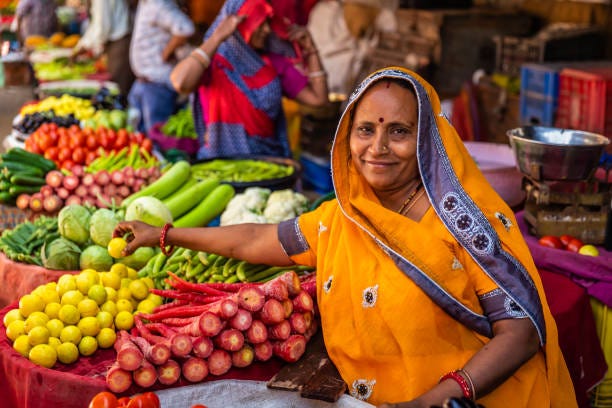
Financial inclusion, a critical component of the Sustainable Development Goals (SDGs), has emerged as a cornerstone of economic development. This study examines the potential of the Unified Payments Interface (UPI) as a cost-effective and scalable FinTech solution to enhance financial inclusion among women street vendors in Pune, one of the most financially excluded segments of the informal economy.
Using a mixed-methods approach combining surveys, interviews, and triangulation, the research finds that while UPI adoption contributes to social empowerment, seamless access remains a privilege. Statistically significant links between education, income, and adoption indicate that lower literacy and income reduce the likelihood of usage. The study identifies social exclusion as a major barrier to financial inclusion, underscoring the need for governments and regulators to make UPI more inclusive and ensure a more equitable distribution of its benefits.
🔎 Databases and Guides:
Discover your ultimate career resource sheets for everything related to public policy! Our comprehensive mega-lists include 150+ hiring organisations, 200+ scholarships, and 150+ courses, podcasts and a lot more. Dive in and unlock your next big opportunity!
🌍Climate + Health Corner
In Partnership With Swasti, The Health Catalyst
Bhutan’s Climate Debt: A Regional Challenge
Bhutan, a carbon-negative country, is facing severe climate impacts—from drying water sources to glacial risks despite contributing little to global emissions.

The piece highlights a key tension: the costs of adaptation are high and underfunded, making Bhutan’s “climate debt” not just a national issue, but a shared regional concern for South Asia especially given its interconnected river systems and economic linkages.
Careers Corner 💼
A curated list of some of the best jobs and internship opportunities this week from the world of public policy, the development sector, impact consulting and communications at large.
📩 Best bit - if you know of a job/internship opening that’s not listed here, kindly just add that as a comment on the sheet: giving 20,000+ people immediate access to it!

You won’t believe it, but it’s cheaper than a cup of coffee to support our work ☕
We're a community-driven platform dedicated to delivering fresh policy insights, creating career opportunities, and helping thousands thrive in India's policy space. To keep all our work free and accessible, we need your support. A small contribution of just Rs. 80 can help sustain and grow our mission. Please consider buying us a coffee and powering our work. Thank you!